Our Health & Wellbeing program is designed to improve the physical and mental health of underserved communities, focusing on providing essential healthcare services, awareness, and support to vulnerable groups.
Providing Prosthetic Limbs to the Amputees
We are committed to supporting individuals who have lost limbs due to accidents, disease, or other reasons by providing prosthetic limbs. This initiative helps restore mobility and independence to amputees, empowering them to lead more fulfilling lives. Through this program, we not only provide physical support but also help boost the confidence and dignity of individuals, enabling them to reintegrate into society and pursue their daily activities without limitations.
Health & Awareness for High-Risk Groups (HRG)
In our efforts to address the health needs of High-Risk Groups (HRG), we offer targeted health education and awareness programs. HRGs, such as individuals living with HIV/AIDS, drug users, sex workers, and others, often face social stigma and limited access to healthcare services. Our program provides critical information on disease prevention, safe practices, mental health support, and available healthcare resources. By raising awareness and promoting healthy behaviors, we aim to reduce the risks of disease transmission, improve overall health outcomes, and reduce stigma associated with these vulnerable populations.
These initiatives focus on improving the quality of life for individuals in need, providing them with tools and knowledge to enhance their health and well-being while also supporting their integration into the broader community.
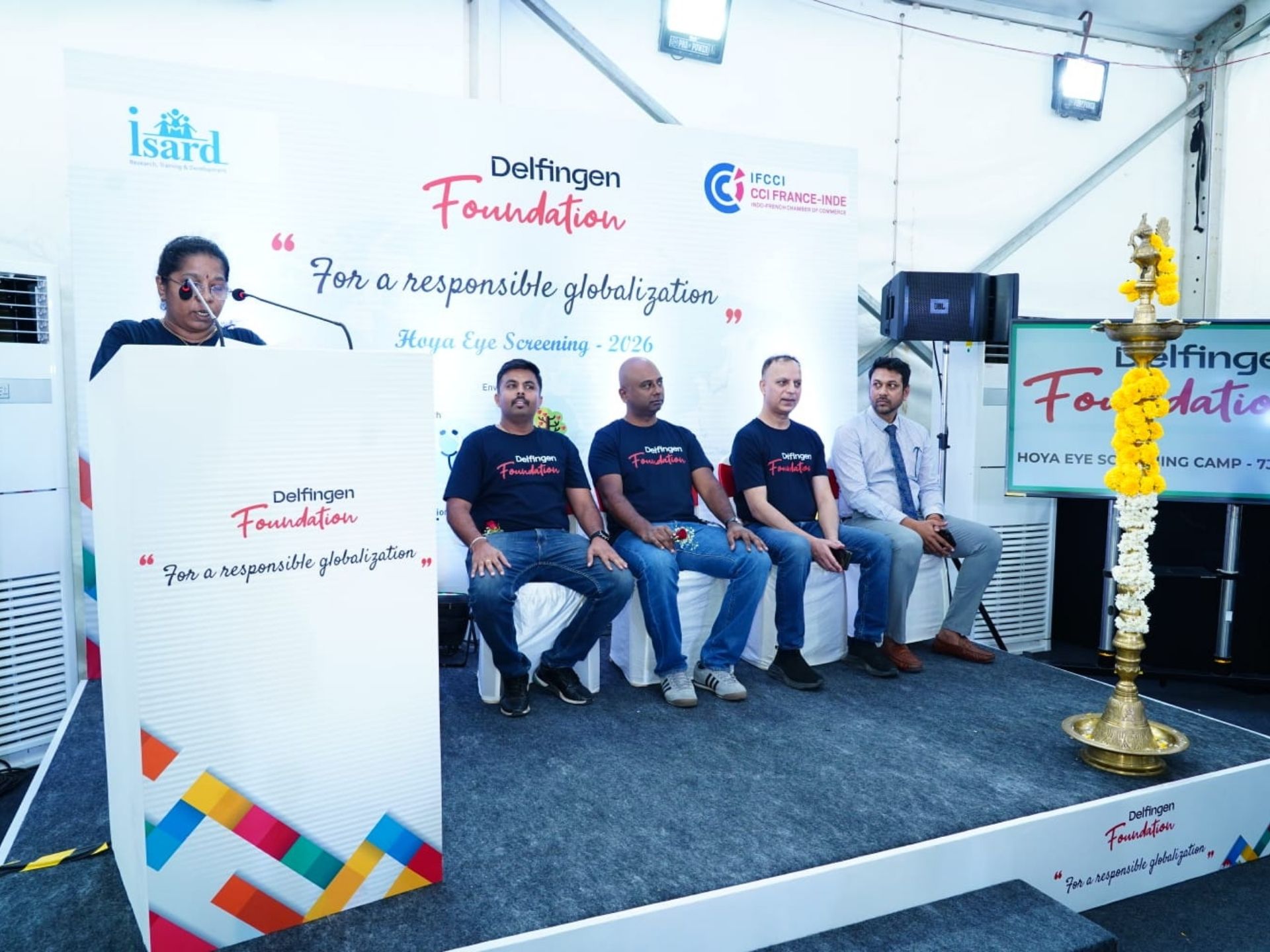
Hoya Eye Screening
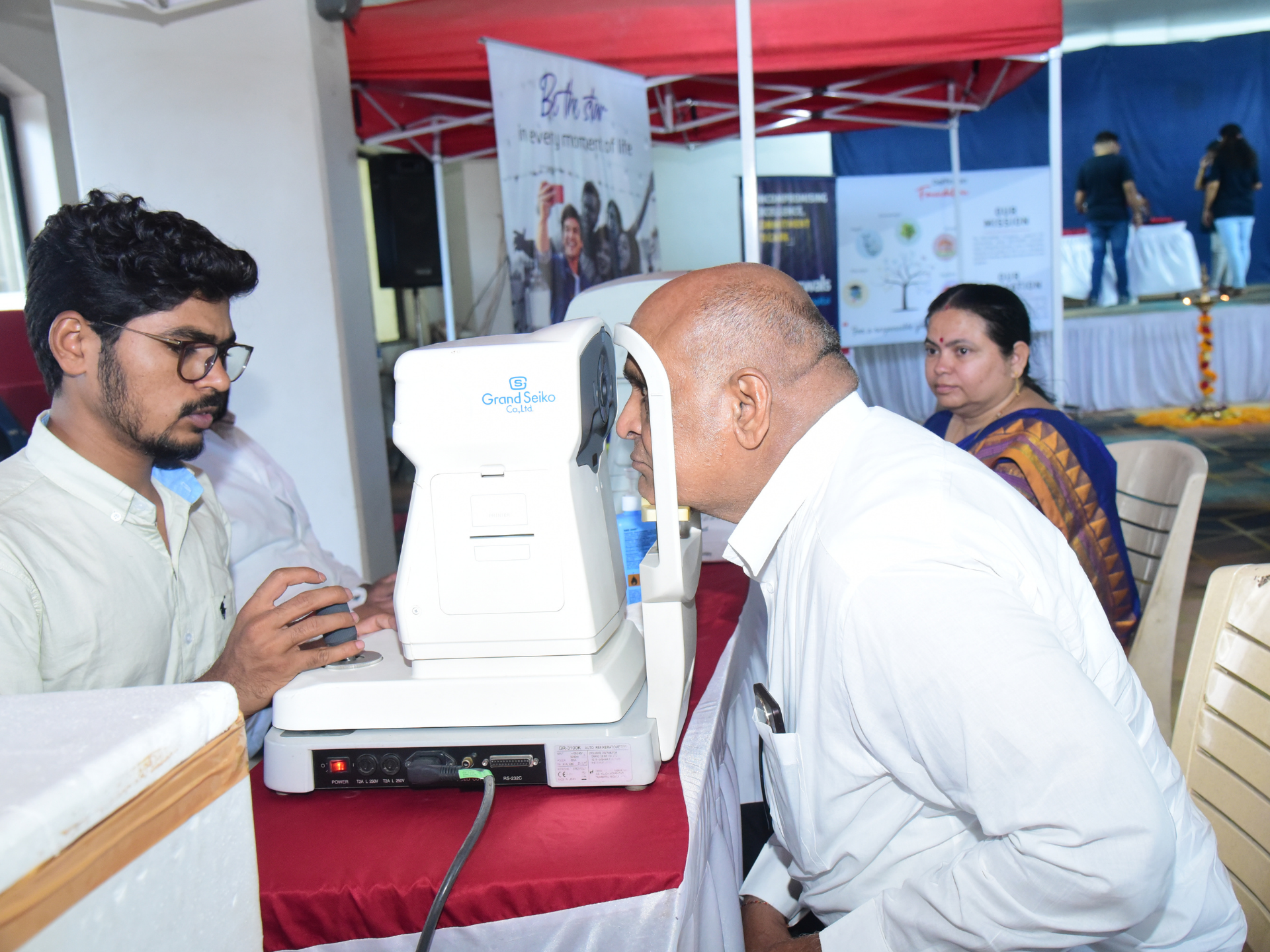
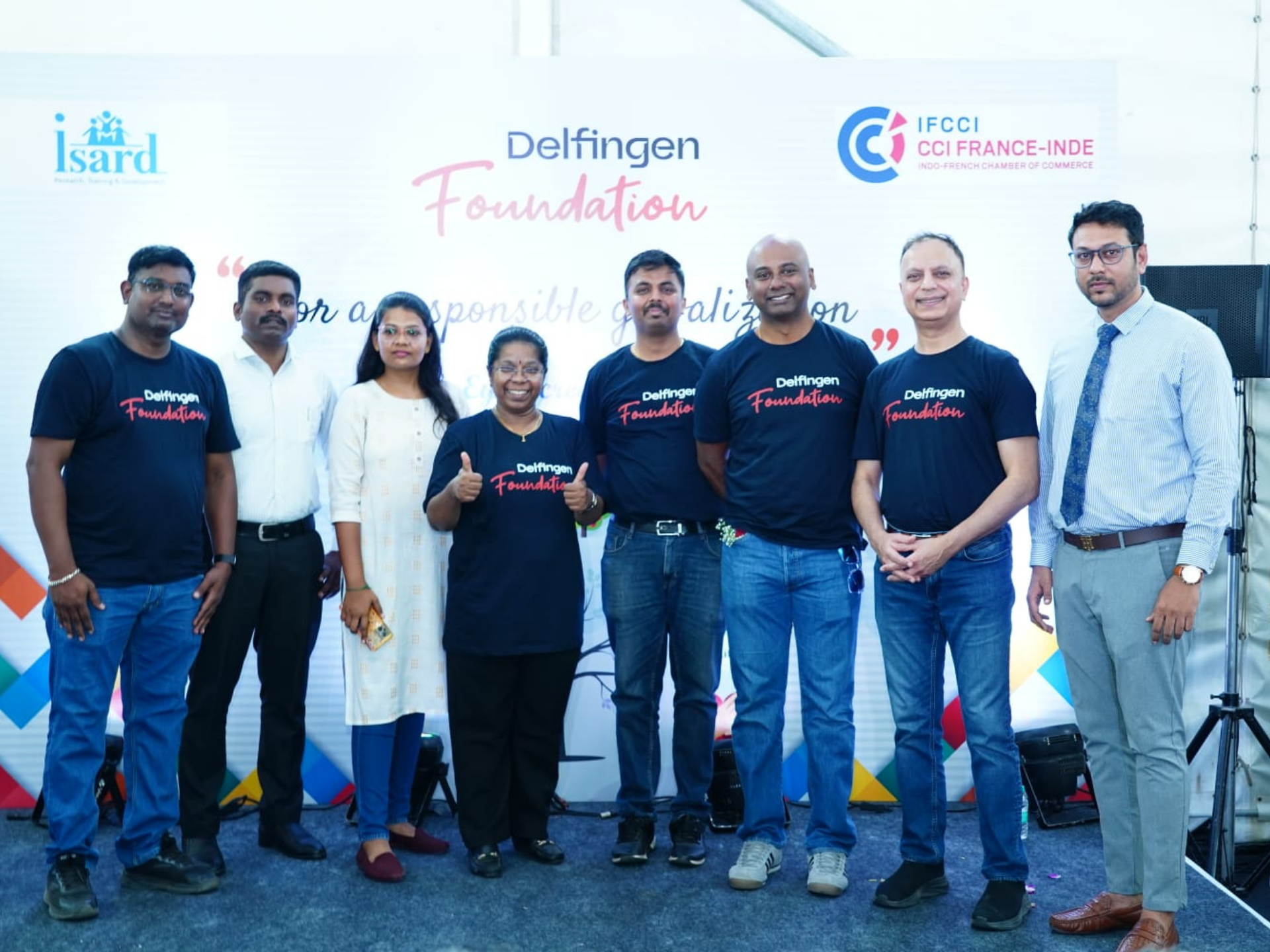
The Hoya Eye Screening initiative is designed to strengthen access to quality primary eye care services for underserved communities through comprehensive eye screening camps, early detection of vision-related concerns, and awareness on preventive eye health practices.
The project focuses on identifying vision impairments at an early stage and enabling timely intervention through eye examinations, provision of corrective spectacles for beneficiaries requiring vision support, and referrals for advanced diagnosis and treatment wherever necessary.
By improving access to essential eye care services, the initiative aims to enhance the overall quality of life, support better educational and livelihood outcomes, and contribute towards improved community health and well-being through preventive and accessible eye care solutions.