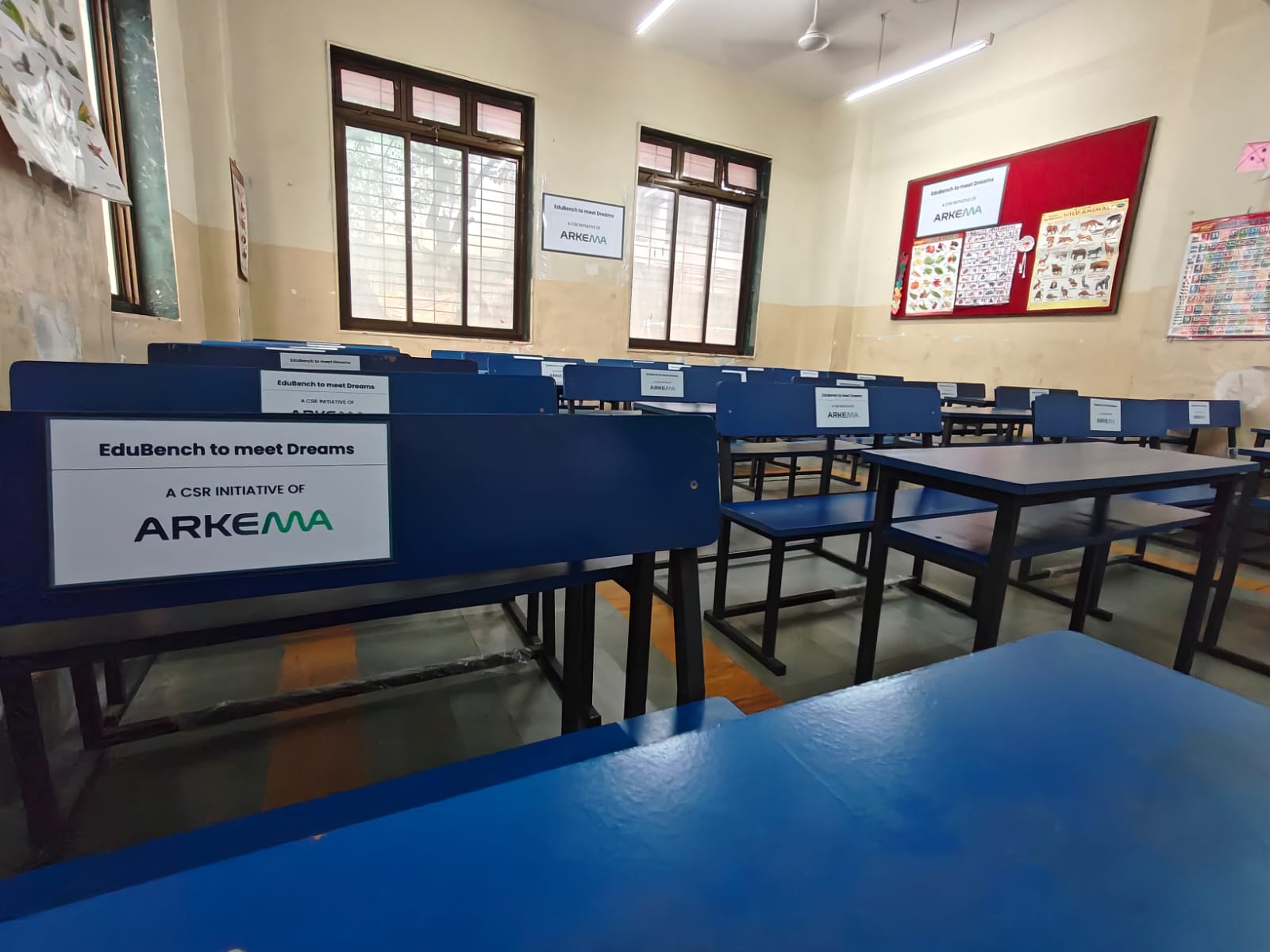
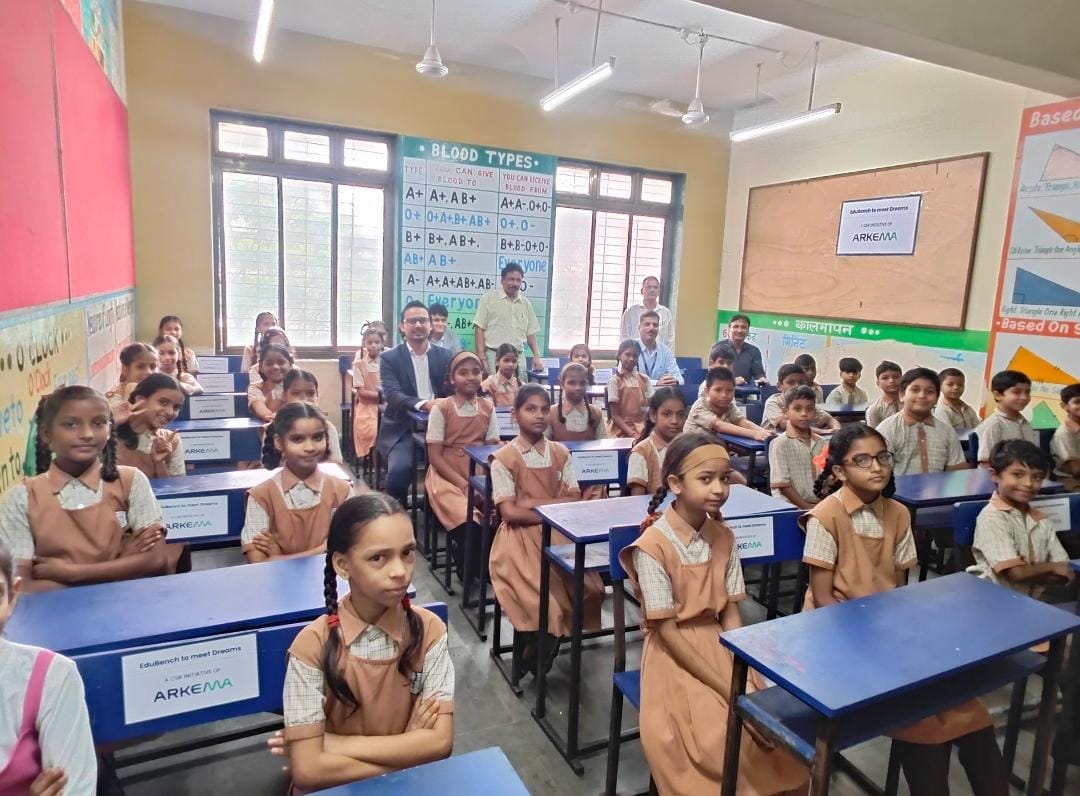
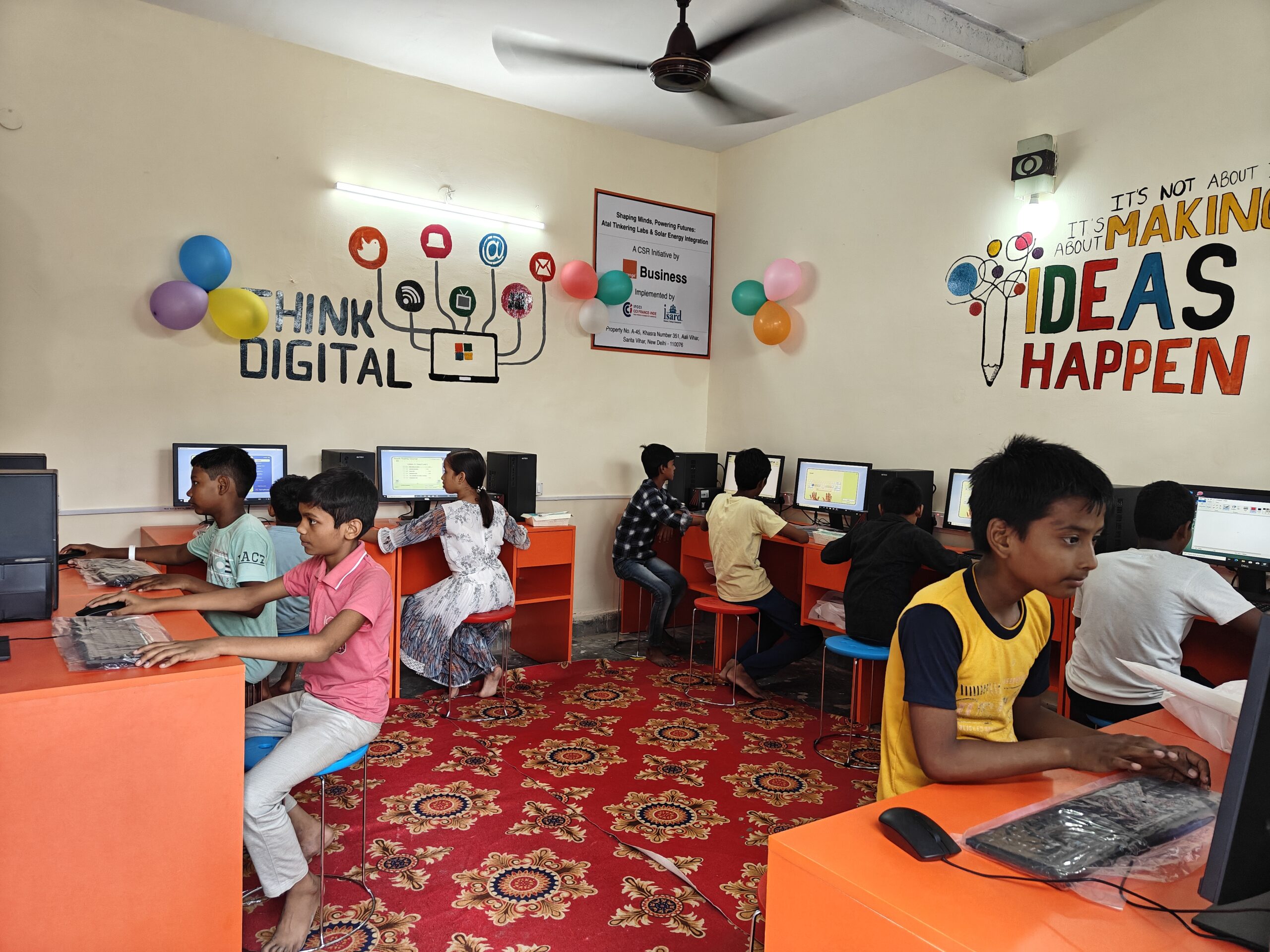
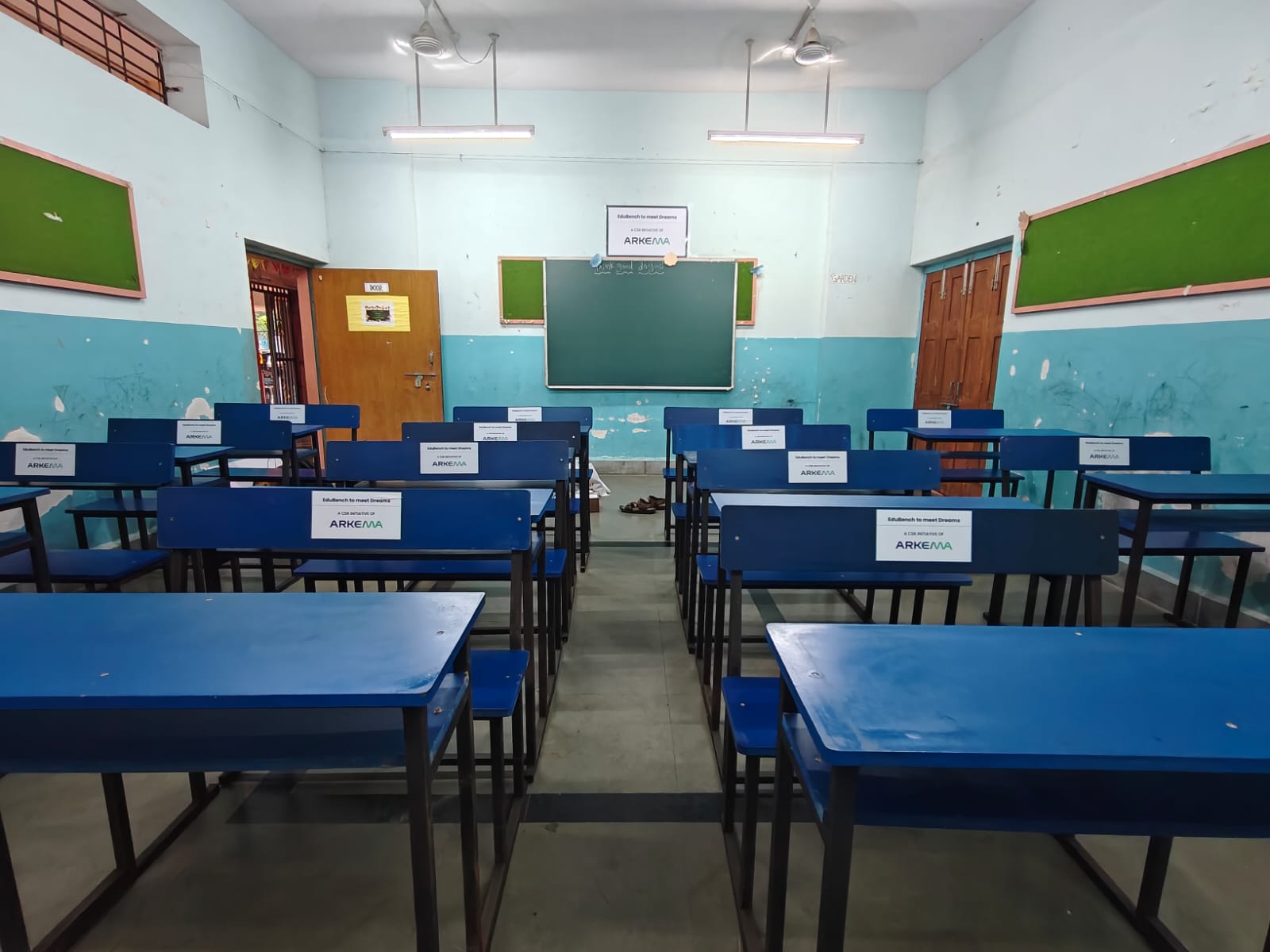
Digital Education:
We equip under‑resourced schools with tablets, reliable internet, and bilingual e‑learning platforms. By opening the door to high‑quality digital content, students master computer literacy, explore new subjects, and build 21‑st‑century skills that prepare them for higher studies and the modern workplace.
STEAM Education:
Our STEAM programme blends Science, Technology, Engineering, Arts and Mathematics in project‑based workshops. Integrating the arts sparks creativity, while hands‑on experiments hone analytical thinking and teamwork. Learners graduate with the imagination and technical rigour needed to solve tomorrow’s complex challenges.
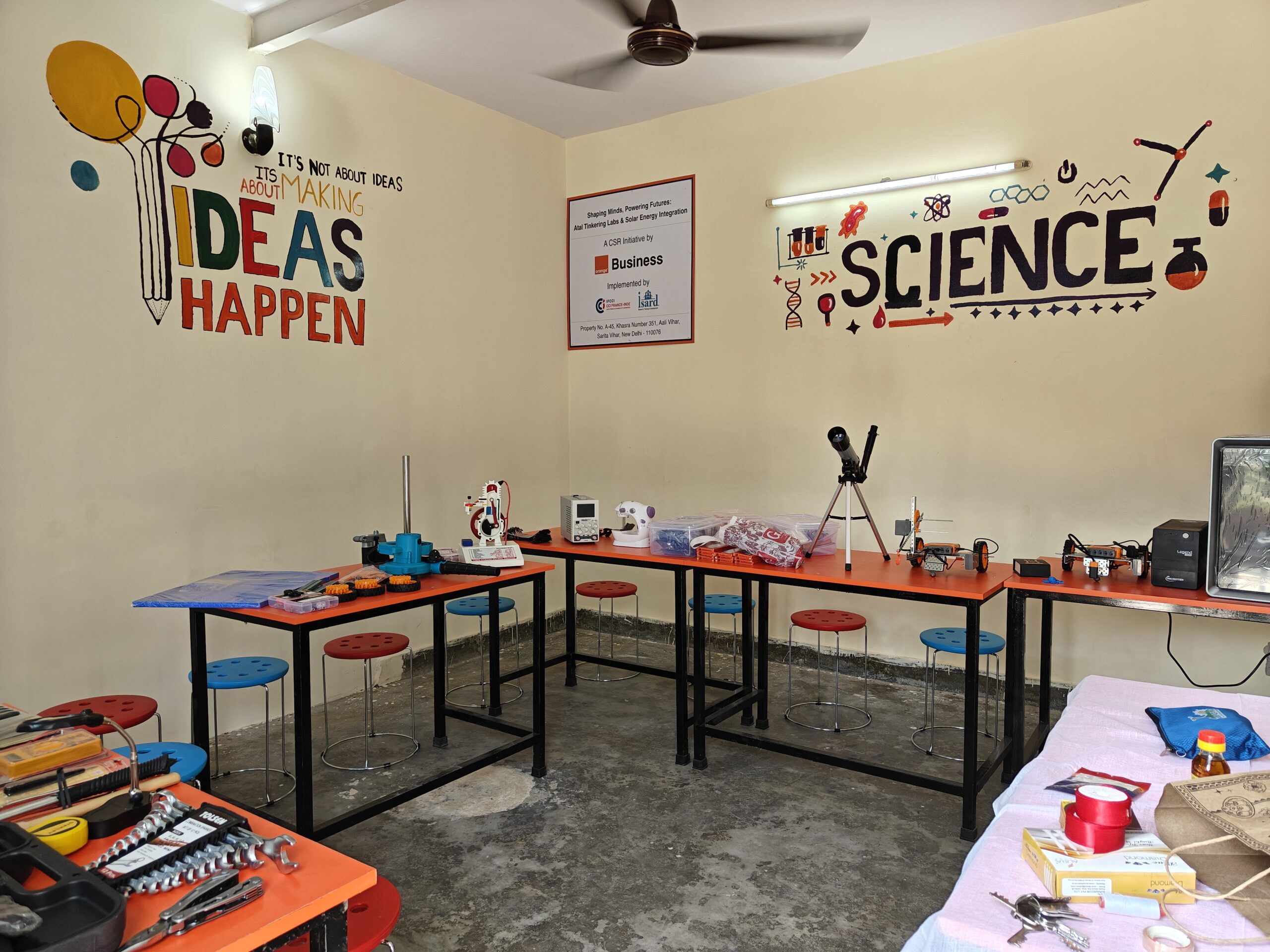
Atal Tinkering Labs (ATLs):
Through ATLs we sponsor fully equipped maker spaces featuring robotics kits, 3‑D printers, AI and IoT modules. Students design, prototype and iterate, turning classroom theory into tangible innovations. The experience nurtures an entrepreneurial mindset and positions them as future tech leaders.
Remedial Classes:
Personalised tutoring, smaller groups and adaptive teaching materials help learners who have fallen behind to catch up in core subjects. By closing knowledge gaps and rebuilding self‑confidence, we ensure every child can progress with their peers and realise their academic potential.
“Cooking Clean, Living Healthy!” – A CSR Campaign By IFCCI:
The Clean Cooking Initiative is a comprehensive, multi-state Corporate Social Responsibility (CSR) campaign by the Indo-French Chamber of Commerce & Industry (IFCCI), supported by Total Energies and implemented by BroadArks Foundation aimed at addressing the critical health and environmental challenges caused by the continued use of traditional biomass-based cooking fuels in rural India. The initiative adopts a holistic approach that combines awareness generation, targeted capacity-building sessions, live demonstrations, community health screenings, and the distribution of protective gear and educational materials.
The campaign is designed to reach 10,000 beneficiaries across the states of Kerala, Karnataka, Tamil Nadu, and Telangana. Implementation is scheduled from July 2025 to March 2026, following a structured planning and stakeholder coordination phase during May–June 2025.
The primary objectives of the initiative are to:
* Generate awareness on the adverse health and environmental impacts of biomass-based cooking practices.
* Provide hands-on training on safer cooking methods and promote the adoption of clean and energy-efficient cooking alternatives.
* Conduct health screening camps to identify, document, and address pollution-related health conditions within vulnerable communities.
* Facilitate access to clean cooking technologies while encouraging sustainable and long-term behavioural change.
* Equip households with protective gear and educational resources to ensure continued adoption of safer cooking practices beyond the project duration.
Through this integrated approach, the Clean Cooking Initiative seeks to improve household health outcomes, reduce indoor air pollution, and contribute to sustainable energy transitions in rural communities.